The path of the lords and the wineries
A walk in the lands of the Carraresi

Aggiornato al 14 February 2018
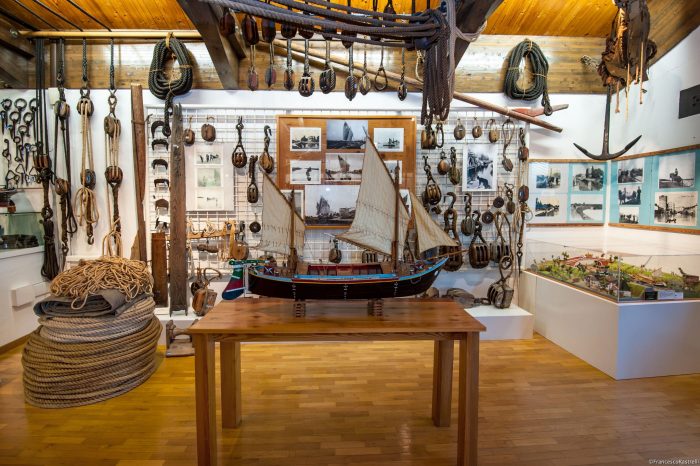
The third itinerary twists through the lands of the Da Carrara, lords of Padua in the fourteenth century. Once settled in the mighty castle of Carrara San Giorgio, of which remain only ruins, in 1027 the rich family of Da Carrara financed the construction of the Abbey of Carrara Santo Stefano, known today to be the tomb of the mighty Marsilio I. Certainly it is worth to visit the Castello del Catajo and its 350 rooms. Another site of sure interest is the “Museum of River Navigation” in Battaglia Terme to easily understand the historical relationship of this territory with the water.
Reached the center of the village, turn left into Piazza San Pietro and Via Roma, cross the Church of San Pietro, turn left at the first roundabout into Via Reale and, at its end, turn right into Via Reoso which, in Cartura, changes its name in Via San Pietro Viminario. Once you reach a small roundabout with another capital in the middle, keep left and take a left, just before reaching the busy road Conselvana: Via Bragaleo. You go all the way, up to a bridge over which the road becomes a dirt road, and turn right, along the drainage of water and some fields, to reach the cemetery of Cartura.
Past the cemetery, the parish Church of S. Maria Assunta is right in the center of Cartura. Beyond the church, turn left and follow the road towards Due Carrare which, in Via Ponte di Riva, after about 1.5 km, passes in front of the Miele Più Beekeeping. Going on you will come to the ancient Riva bridge and you will reach the famous Abbey of Santo Stefano, before returning, following Via Roma, to the starting point.
Pursuing along the left bank of the Battaglia canal you reach the center of Battaglia Terme. Here, crossing the state road, through Via Chiodare and Via Ortazzo, you can access the Museum of River Navigation. Returning to the state road, passing the church and the bridge over the high water jump that gives rise to the Vigenzone canal (about 7.5 meters), you enter left in the ancient hamlet 'Contrada della Sega' to go back to the plain following for a stretch the stream. Then take via Palù Inferiore towards Pernumia. Crossing the square of an ancient mill you reach via Acquanera which quickly leads to the center of Pernumia. Keeping to the right you reach the ancient parish Church of S. Giustina, where there is also a small archaeological museum. Then go along Via Maggiore in front of the Church and at the end turn left (Via Fiumicello) and straight right into Via Trinità, which goes along a long stretch up to a wide curve where you take a narrow street without name, on the right, that is wedged between some houses (one of which has a small kiosk on the gate). Now you get onto a dirt road that goes into the countryside for a few hundred meters: at the end, turn left to reach Via San Fidenzio and continue right into Via Cristo I Strada, now you are in the center of San Pietro Viminario village.
If you shouldn't find the road, continue along Via Trinità and you'll come anyway across Via San Fidenzio, which is the one that comes off to the right at the height of a capital.
In order to follow the third itinerary you leave from the Church of San Giorgio in Due Carrare, heading towards the square and taking Via IV Novembre to the left of the Town Hall. Follow it turning left into Via Primo Levi where you take the road on the left which soon becomes cycle path and continues through the countryside towards the Euganean Hills to reach the Guolo - Vini Monticello Winery, located on the right side. Going on the left side you get into Via Mincana. The Via Mincana cycle path winds to the left and crosses La Mincana-Dal Martello Winery on the right, thus reaching the Battaglia SS road. Turn left, after about 300 meters, you will discover the ancient old bridge and the scenographic Castle of Catajo and in front of the estate a lane on the left that leads to the Azienda Agricola Salvan - Vigne del Pigozzo.